How Financial Institutions Can Gain a Competitive Edge with External Data
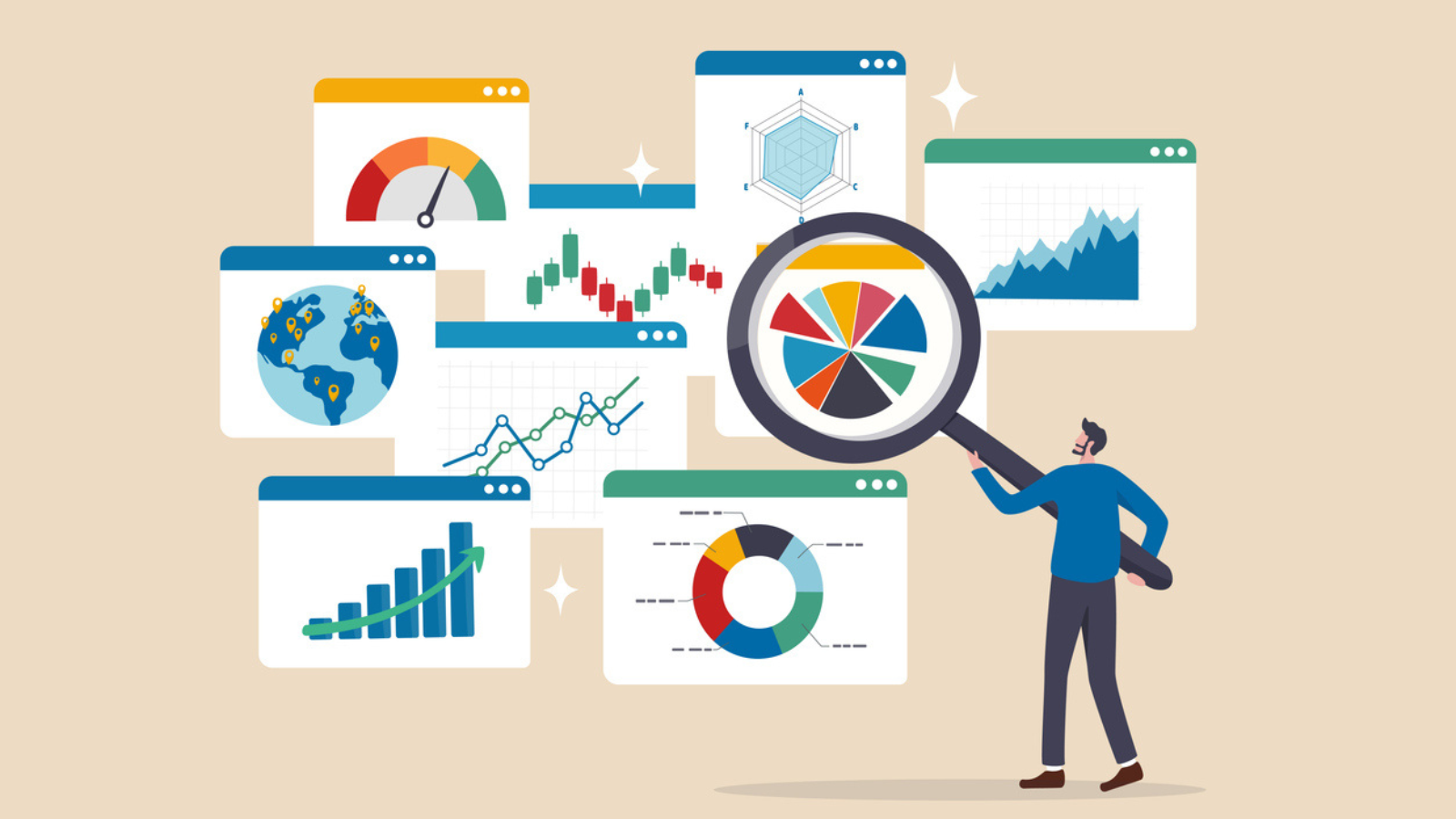
In an era where data fuels business decisions, financial institutions—especially credit unions and banks—need more than just internal member information to stay ahead. The landscape is shifting rapidly, with new customer expectations, market changes, and competitive pressures shaping the future of banking. The key to thriving in this evolving environment? Leveraging external data sources to drive smarter, more strategic decision-making.
But with so many data sources available, how do financial institutions determine which ones are most valuable? And more importantly, how can they translate raw data into actionable insights that drive growth, improve member engagement, and strengthen competitive positioning?
The Growing Importance of External Data
Traditionally, financial institutions have relied heavily on internal data—such as transaction histories, loan applications, and account activity—to understand their members and customers. While internal data is undoubtedly valuable, it only tells part of the story.
External data, on the other hand, provides a broader, richer, and more dynamic view of the market by incorporating information on demographics, economic trends, consumer behavior, and business activity. When integrated with internal data, it creates a 360-degree member profile, offering deeper insights into financial needs, preferences, and potential opportunities.
For instance, consider a credit union looking to expand its home loan offerings. Internal data might highlight trends in mortgage applications, but external data—such as local housing market conditions, income trends, and employment rates—can provide the context needed to fine-tune marketing strategies and product offerings.
Our latest whitepaper, The Essential Guide to External Data, dives deep into the most valuable external data sources and how financial institutions can use them to gain a competitive edge. Below, we highlight just a few key ways external data can be a game-changer for credit unions and banks.
How External Data Transforms Financial Strategies
1. Identifying New Market Opportunities
One of the biggest advantages of external data is its ability to reveal untapped opportunities. Market and demographic data can help financial institutions understand:
- Population shifts and growth trends – Where is demand for financial products increasing?
- Economic conditions by region – How do income levels, employment rates, and business growth impact financial service needs?
- Consumer financial behavior – What are local saving, spending, and borrowing trends?
For example, if an area sees a surge in younger professionals, financial institutions might tailor their offerings to include first-time homebuyer programs, student loan refinancing, or digital banking solutions.
2. Enhancing Member Engagement & Personalization
Today’s customers expect personalized experiences—whether they’re shopping online or managing their finances. External data can supercharge personalization efforts by giving financial institutions a deeper understanding of their members’ lifestyles, needs, and challenges.
With demographic and behavioral insights, institutions can:
- Segment audiences more effectively to deliver tailored marketing messages.
- Predict financial needs based on life stages, economic trends, and spending patterns.
- Improve product recommendations by aligning offerings with real-world data on customer preferences.
A well-integrated data strategy ensures that credit unions and banks don’t just send generic emails but rather deliver meaningful, relevant communications that truly resonate with their audience.
3. Strengthening Competitive Positioning
The financial services sector is becoming increasingly competitive, with fintech companies, neobanks, and big banks all vying for customer attention. To stand out in this crowded space, financial institutions must leverage external data to refine their strategies and enhance their offerings.
Competitive intelligence from external sources can help institutions:
- Analyze market trends and anticipate shifts before competitors do.
- Benchmark against other institutions to identify areas for improvement.
- Assess local economic conditions to adapt pricing, services, and outreach strategies.
By tapping into economic and business data, credit unions and banks can position themselves as trusted, forward-thinking financial partners that offer solutions tailored to their communities.
4. Driving ROI with Data-Driven Decision-Making
Many financial institutions hesitate to invest in external data, questioning whether the insights justify the cost. However, when used strategically, external data can drive significant ROI by improving targeting, reducing risk, and optimizing operations.
Financial institutions that integrate public, market, and business data into their decision-making processes can:
- Reduce loan default risk by incorporating economic and employment trends into credit assessments.
- Improve branch performance by analyzing customer density and banking preferences in different regions.
- Enhance digital banking strategies by identifying which demographics prefer mobile banking over traditional branches.
With the right data strategy, institutions aren’t just collecting information—they’re using it to drive measurable business outcomes.
What’s Inside the White paper?
While we’ve covered some high-level benefits, our latest white paper The Essential Guide to External Data goes much deeper, exploring:
- The best external data sources financial institutions should be leveraging.
- How to access and analyze these datasets to gain valuable insights.
- Real-world case studies showing how leading credit unions and banks are using external data to fuel growth.
- Actionable steps for integrating external data into your financial strategy.
Download the Whitepaper to Get Started
If your institution wants to stay ahead in today’s data-driven financial world, external insights are no longer optional—they’re essential.
📥 Download The Essential Guide to External Data today to learn how to turn external data into your most powerful asset.
Download Now